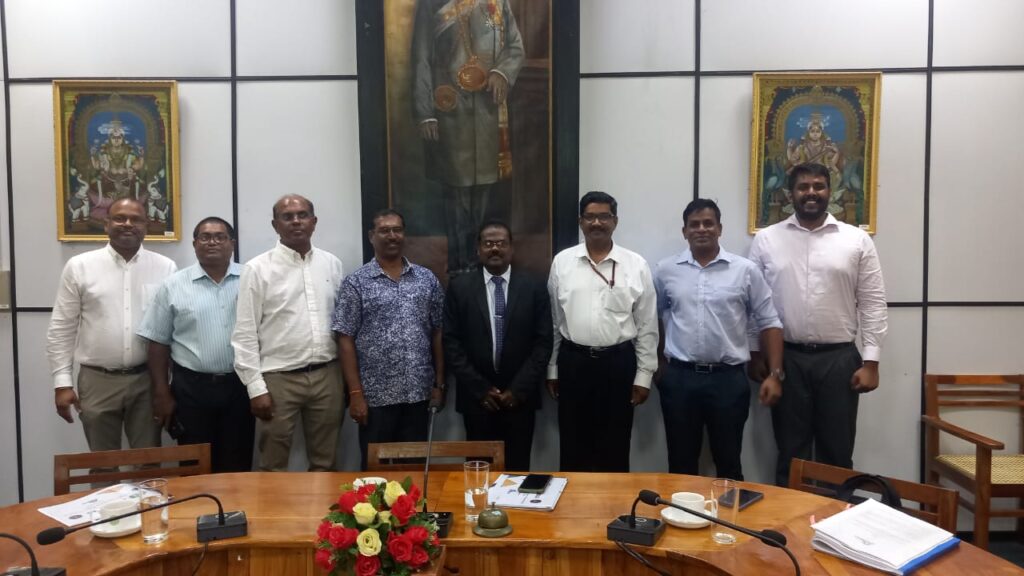
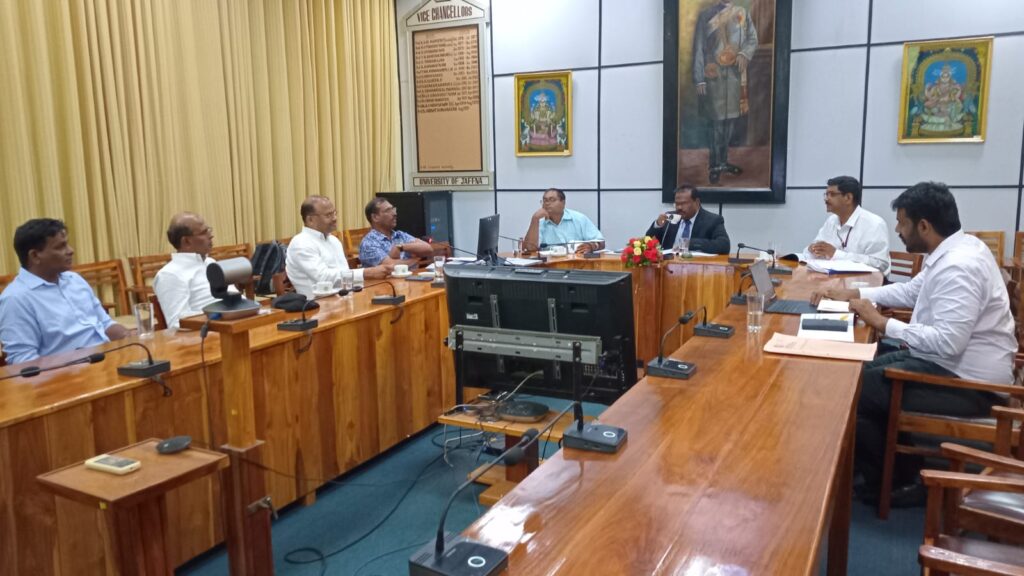
On the 1st of April, an engaging and forward-looking discussion unfolded in the Board Room of the University of Jaffna, bringing together key stakeholders from UBL–Jaffna and representatives of the GATE-NEXUS initiative. The session marked an important step in redefining the role of universities in Sri Lanka—particularly in regions that are still rebuilding and striving for sustainable economic growth.
A Shift in the Role of Universities
At the heart of the discussion was the transformative vision of GATE-NEXUS. Rather than positioning universities as traditional knowledge providers, the initiative proposes a bold shift: turning them into dynamic regional innovation hubs. This approach recognizes that universities, especially in underserved and post-conflict areas, have untapped potential to drive entrepreneurship, generate employment, and catalyze regional development.
Developed in collaboration with the GIVE (Gate for Innovation Venture and Entrepreneurship) platform, GATE-NEXUS is particularly focused on empowering war-affected and underserved communities in Sri Lanka. The model is unique in its ambition—it seeks to fully integrate education, innovation, and employment into the local economic fabric.
Understanding the Five Pillars
A key highlight of the interaction was the presentation of the project’s five core components, each designed to address a critical aspect of regional development:
- University Innovation and Enterprise Centres (UIECs): These centres aim to cultivate a vibrant start-up ecosystem within universities, supporting innovation from ideation to execution.
- University-Industry Linkages & SME Development: Strengthening ties between academia and local industries ensures that research and talent directly contribute to real-world economic needs.
- Youth Employability & Soft Skills Development: With graduate unemployment being a persistent challenge, this component focuses on equipping youth with both technical and interpersonal skills required by the job market.
- Competitive Innovation Grant (Internal Window): Encourages university-based innovation through targeted funding for product development and research commercialization.
- Competitive Innovation Grant (External Window): Extends opportunities beyond universities, supporting young innovators in the wider community.
These components collectively form a holistic ecosystem, rather than isolated interventions—an aspect that drew considerable interest during the session.
Measuring Impact: Clear Targets
The success of GATE-NEXUS will not be abstract—it will be measured through tangible outcomes. The key performance indicators presented include:
- Development of over 30 innovations
- Training of 2,000 youth
- Creation of 500 jobs
- Establishment of 20 start-ups
- A 10% increase in regional SME productivity
These targets reflect a strong emphasis on both economic and social impact.
The Role of GATE Institute and GIVE
The session also highlighted the broader ecosystem supporting this initiative. The GATE Institute, established in 2022, operates as a research-driven organization focusing on inclusive governance and sustainable livelihoods. Complementing this is the GIVE platform, launched in November 2024, which acts as a transnational network for identifying and nurturing entrepreneurial ideas.
In this ecosystem, GIVE serves as the entry point—spotting and supporting early-stage innovators—while GATE-NEXUS provides the structure and resources needed to scale these ideas through university and industry collaboration.
Reflections and Way Forward
The interaction with UBL–Jaffna was not merely a presentation; it was a dialogue. Participants engaged critically with the model, raising questions about implementation, sustainability, and regional adaptability. There was a shared recognition that while the vision is ambitious, its success will depend on consistent collaboration, institutional commitment, and responsiveness to local needs.
What stood out most was the sense of possibility. In a region that has faced significant challenges, initiatives like GATE-NEXUS offer a pathway toward resilience and renewal—anchored in knowledge, driven by innovation, and sustained by community engagement.
As the session concluded, it was clear that this was just the beginning of a larger journey—one that could redefine how universities contribute to society, not just in Jaffna, but across Sri Lanka.